

Learn about the GBR
The Great Barrier Reef - Experience World Heritage
The Great Barrier Reef is a UNESCO World Heritage Site, and it is recognized for its outstanding universal value. It is one of the most important natural ecosystems on the planet, and it is a critical source of food, livelihoods, and tourism for the people of Australia. The reef is attributed with significant cultural and historical heritage values under UNESCO’s World Heritage framework, along with meeting all 4 natural criteria which include:
- Natural beauty and natural phenomena
- Major stages of Earth’s evolutionary history
- Ecological and biological processes
- Habitats for conservation of biodiversity
Located off the coast of north-eastern Australia, the Great Barrier Reef spans over 2,300 kilometres (1,400 miles) along the Queensland coastline. It is made up of over 2,900 individual reefs and 900 islands, and it covers an area of approximately 344,400 square kilometres (133,000 square miles).
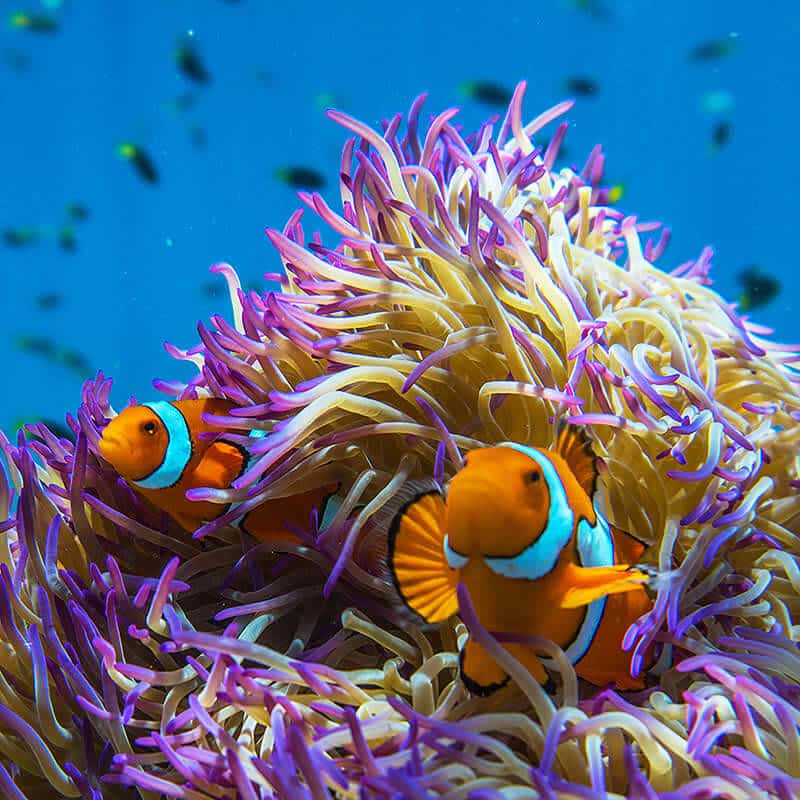
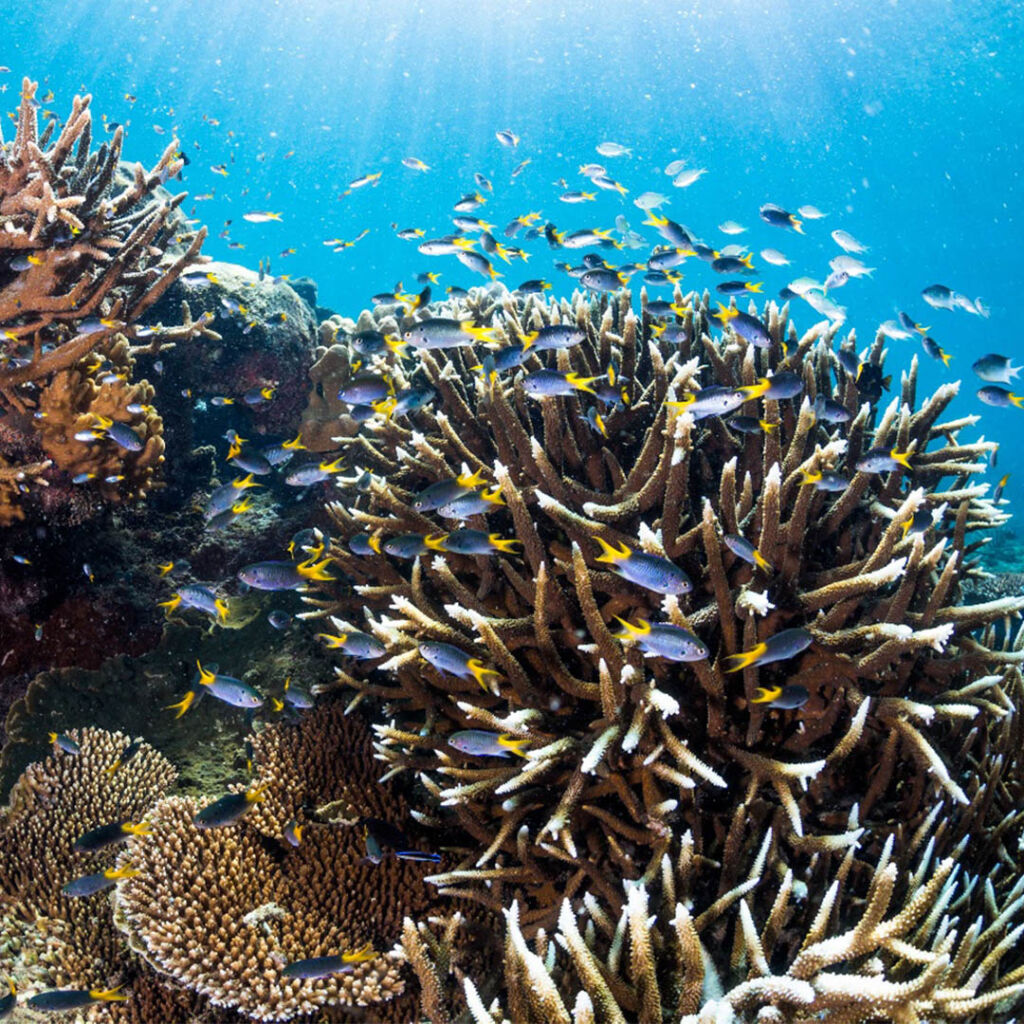
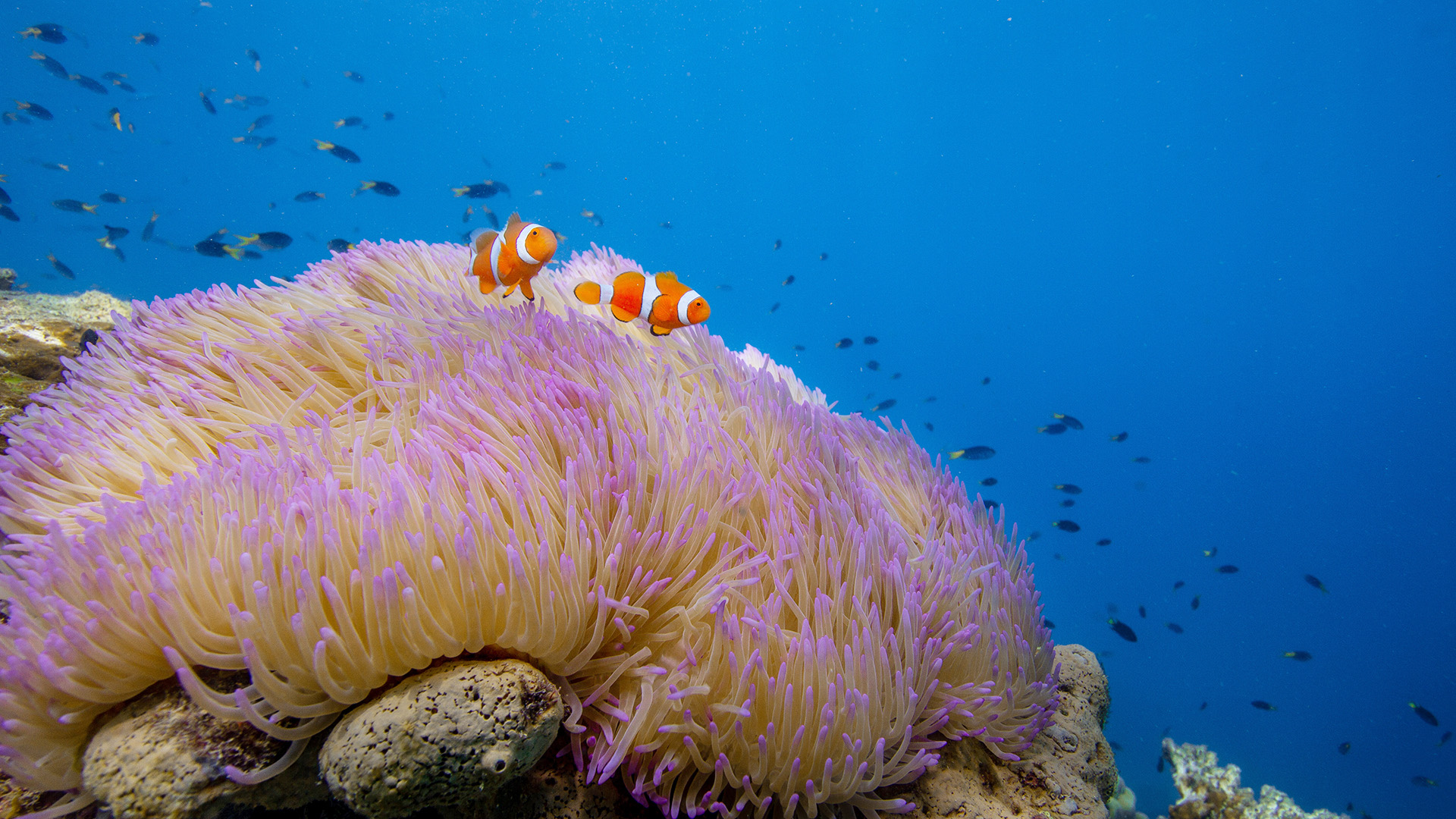
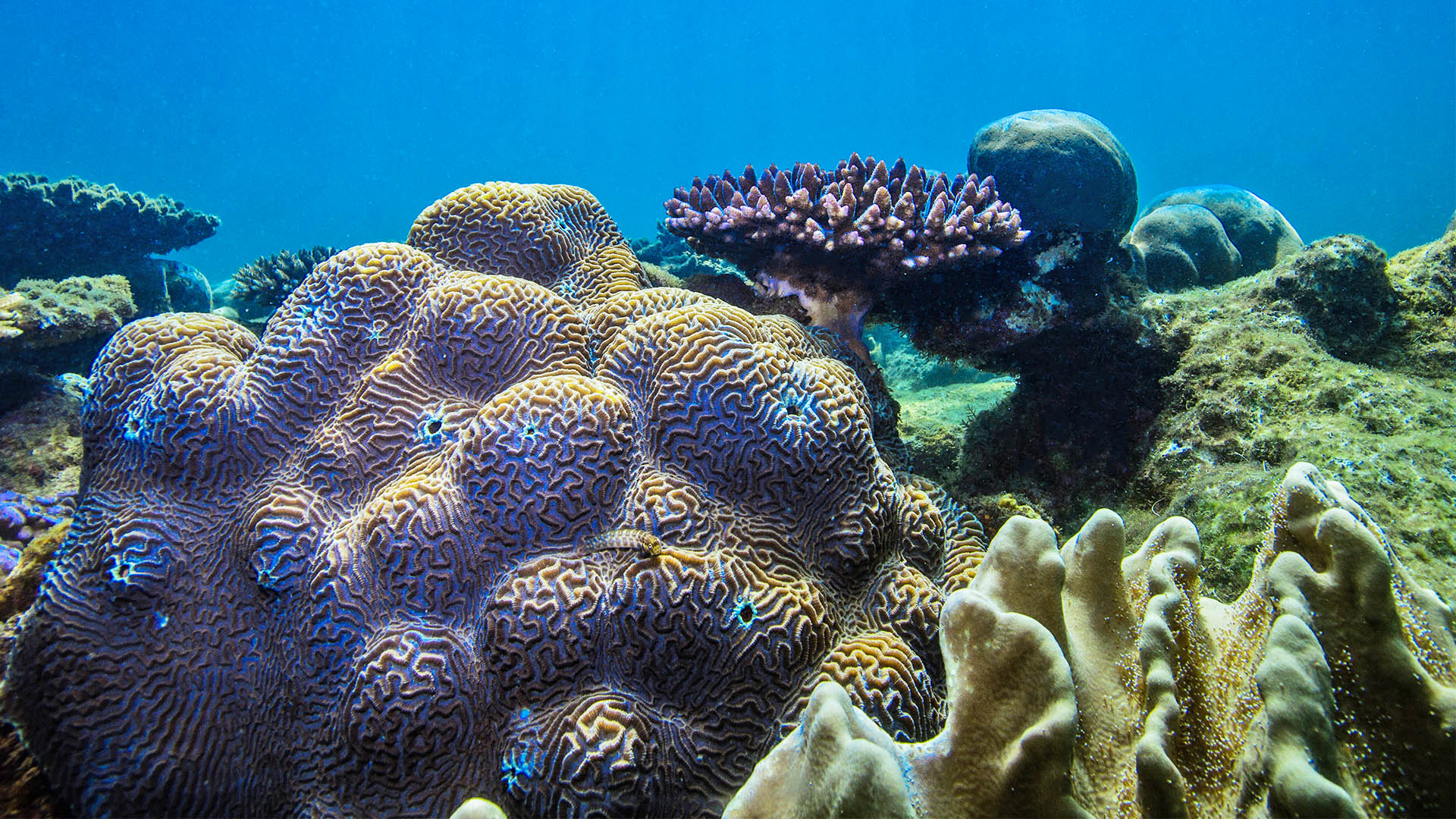
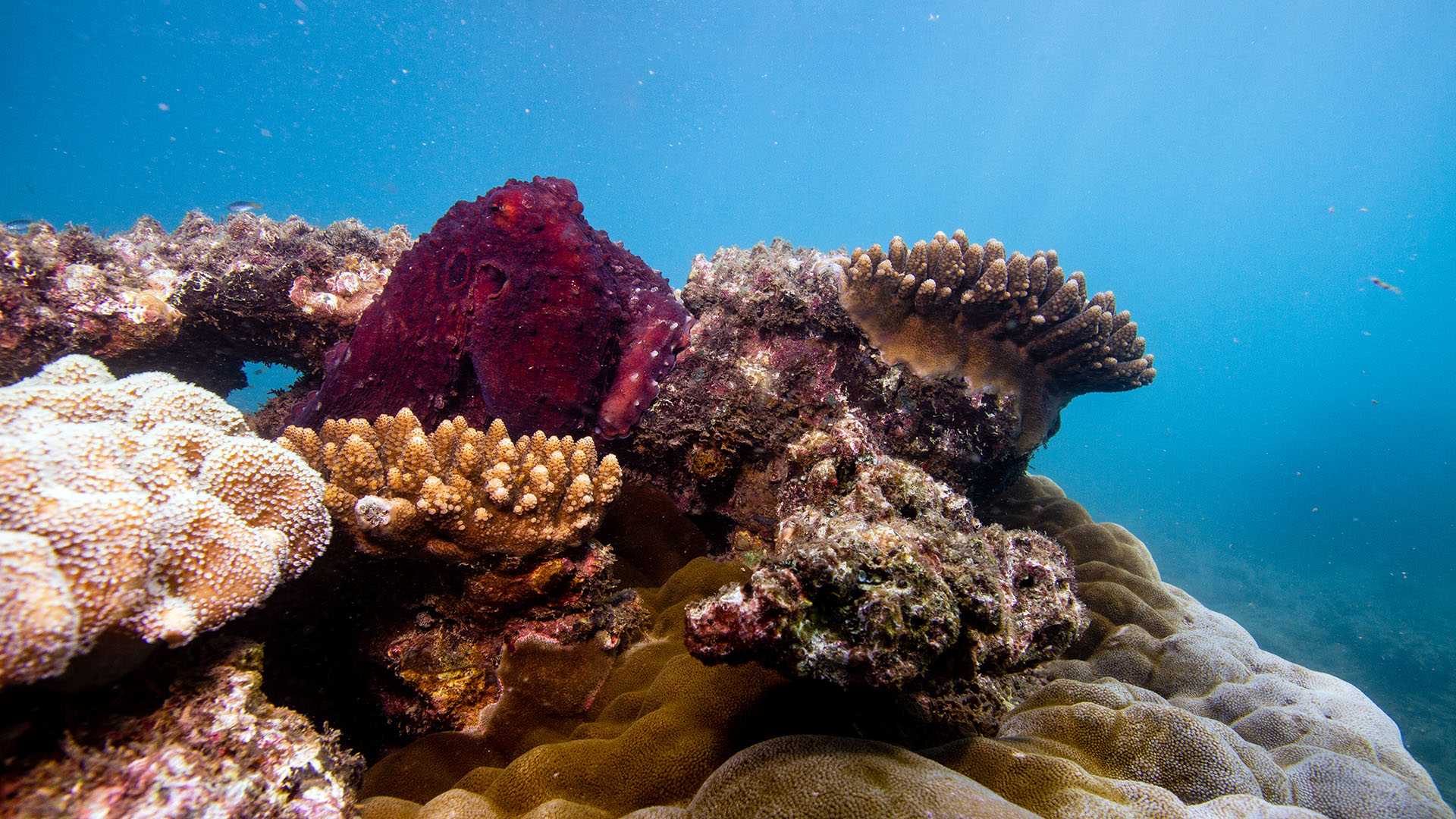
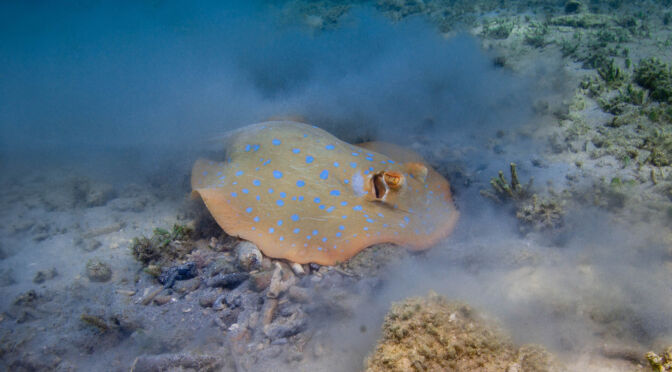
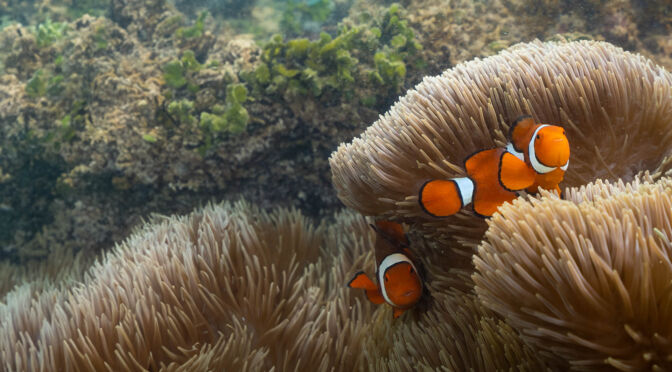
Home to over 1,500 species of fish, including clownfish, giant trevally, and barracuda, as well as over 600 species of hard and soft corals, the reef is also home to dozens of species including dugongs, dolphins, and humpback whales. The reef is also an important breeding and nesting site for sea turtles and seabirds, such as the magnificent frigatebird.
Aboriginal and Torres Strait Islander peoples have a long history of connection with this region which carries on today with care for Sea Country through cultural practices and knowledge. You can read more about the Great Barrier Reef’s traditional owners here.
The reef is managed by and cared for by GBRMPA, the Great Barrier Reef Marine Park Authority. They work alongside the traditional owners, marine scientists, government departments, local tourism operators and individuals to protect the reef from environmental threats and preserve it from future generations.
All commercial day tours to the Great Barrier Reef pay an included EMC, or Environmental Management Charge, which goes directly to GBRMPA to fund the day-to-day management of the marine park. So by visiting the Frankland Islands with us, you’re contributing to the protection of the reef!
Protecting the Great Barrier Reef
The Great Barrier Reef is primarily protected by the federal Environment Protection and Biodiversity Conservation Act 1999 and the Great Barrier Reef Marine Park Act 1975. It is managed through a comprehensive multiple-use zoning plan, with 33% of the park highly protected.
Unfortunately, the Great Barrier Reef is facing several significant environmental challenges. These challenges include significant pressures from climate change, pollution, overfishing, and coastal development.
‘Climate change’ refers to long-term shifts in global temperatures and weather patterns, largely due to greenhouse gas emissions driven by human activity. This results in increased severe weather in certain places, melting of ice polar regions increasing sea level and many other potential impacts. For the reef this may result in higher water temperatures leading to coral bleaching, ocean acidification, damage from weather events and habitat changes in the future. Read more about these potential threats here.
Despite these challenges, several conservation and restoration efforts are underway, including initiatives to reduce pollution, promote sustainable fishing practices, and restore damaged reef habitats. Blueprint 2030 is a plan that focuses on the entire reef ecosystem to build climate resilience and adaptation for future changes. These plans highlight the importance of biodiversity, and these plans are critical for ensuring that the Great Barrier Reef can continue to thrive.
Journey to the Great Barrier Reef
Discover a Cairns hidden gem
When visiting North Queensland, the must-do experience is a Great Barrier Reef day tour. Look no further than the Frankland Islands off Cairns, which offers pristine snorkelling opportunities amid beautiful, healthy corals. You can access this hidden gem on an organized day trip from Cairns.
Fun facts about the Great Barrier Reef
Learn about the largest living structure on the planet and one of the natural wonders of the world – Australia’s Great Barrier Reef. Here are some fun facts about this awe-inspiring coral reef environment and its fascinating marine creatures.
#1
The Great Barrier Reef Marine Park classification extends into the airspace above the water and into the earth beneath the seabed.
#2
You may think of coral reefs when you think of the Great Barrier Reef, but they only make up about 7% of the entire Marine Park.
#3
The Great Barrier Reef Marine Park is almost as big as Germany - laid on top it would cover 98.6% of the country.
#4
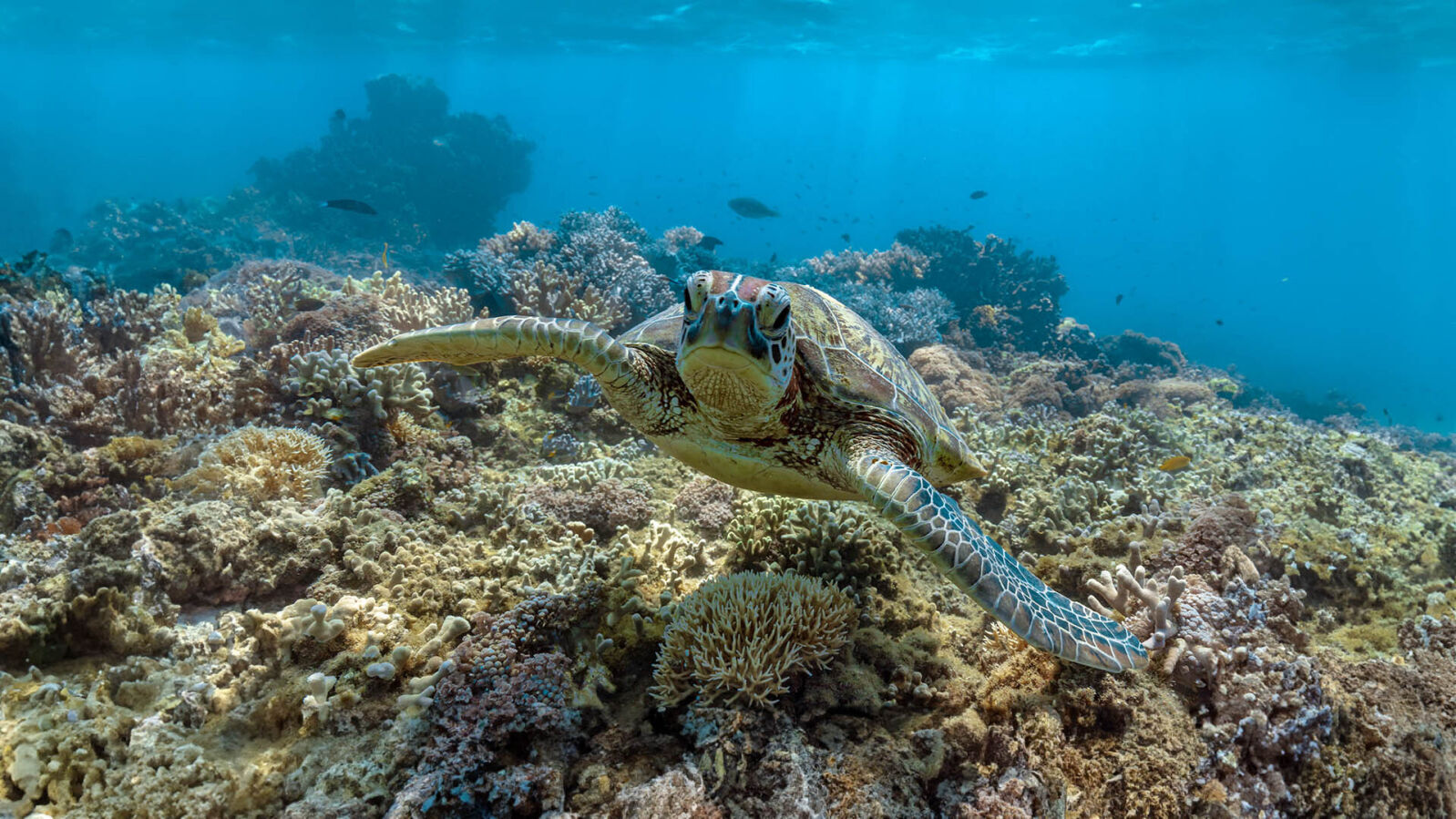
The Great Barrier Reef is home to six of the world’s seven turtle species and contains 25% of all known marine species in the world.
Very glad we chose the Frankland Islands for our trip to the reef. Enjoyable river cruise with crocodiles and friendly crew. The island is beautiful and the snorkelling was excellent with sharks, turtles, Moray eel and plenty of fish and coral just offshore
The whole day was great. Starting in the river and then going into the ocean gave a different perspective than other cruises. Saw a crocodile on the way back in the river. Highly recommend this company and cruise.
Amazing experience, beautiful island that is truly well maintained, the crew did such a great job in keeping us safe and making us feel comfortable and giving us the best experience ♥️🐢
A perfect day with a totally engaged and friendly staff. I can recommend this to everyone, so much better with the small group and more individual than all the other snorkeling tours mass tourism tours.
Thanks to the whole Frankland Islands team, we had a great day out. Everyone was so friendly. Max especially was great with the snorkel safari and the island walk; he was so knowledgeable and genuinely interested in what he was showing us. We would highly recommend this.