

Want to help preserve the Great Barrier Reef for future generations? We've got some tips for you.
Travelling allows us to experience different natural ecosystems, cultures, and historical areas while taking a break from our everyday routines. Greenhouse gas emissions generated from people travelling contribute to climate change and additional human pressures can impact the environment. But travel also inspires people to protect and conserve nature and biodiversity, it allows ways for people to actively collect information to monitor ecosystems and wildlife through citizen science, creates ambassadors, supports community outcomes and provides funding for conservation efforts. There are many positive impacts that travellers and operators can have on the climate and the environment. Operators who educate on environmental issues uplift understanding, many drive development of emissions reductions and work with their suppliers to influence change.
Ways you can travel sustainably:
- Research local recycling protocols so you can put waste in the correct place
- Travel with a reusable water bottle, reusable shopping bag, and travel coffee cup to reduce waste and single use plastics
- Be mindful of your souvenir choices – choose local, genuine and ethically sourced souvenirs and do not purchase merchandise derived from rare or threatened species, heritage artefacts or items of significant cultural value
- Research local culture and practices to inform considerations and minimise your impact on the local community and lifestyle
- Choose lower emissions transport options such as using local public transport, taking a Greyhound bus between cities or for your road trip, hiring an electric vehicle (EV), or booking a ‘green/EV’ rideshare
- Plan efficient travel routes so you don’t cover the same ground twice
- Tour with others – shared transport and tours reduce individual footprint
- Choose certified or sustainable tours and accommodation – look for the Ecotourism certified logo to select operators with responsible practices
- Use a carbon footprint calculator to identify the biggest emissions sources and offset your hard to abate travel such as flights
- Avoid use of any substances that may be harmful to the local environment such as certain sunscreens, insect repellents and toiletries
- Avoid transferring potential pests, seeds and invasive species with you as you travel around
- Follow local rules and signs for protected or sensitive conservation areas
- Maintain safe distances from wildlife to avoid disturbing them
- Book with local accommodation, eateries and guides
- Look for tours offering positive nature contributions & regeneration activities
You can find more information on sustainable travel here.
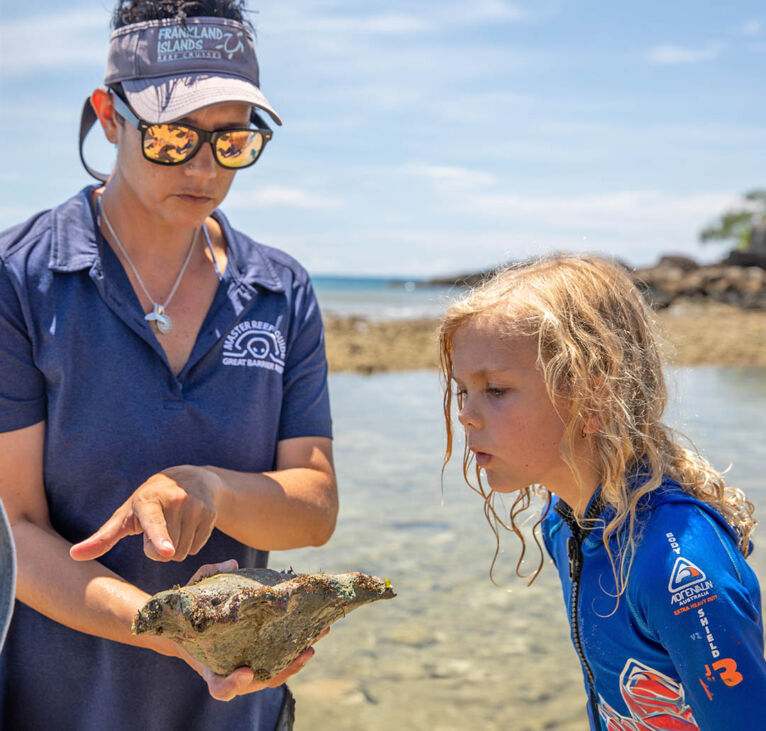
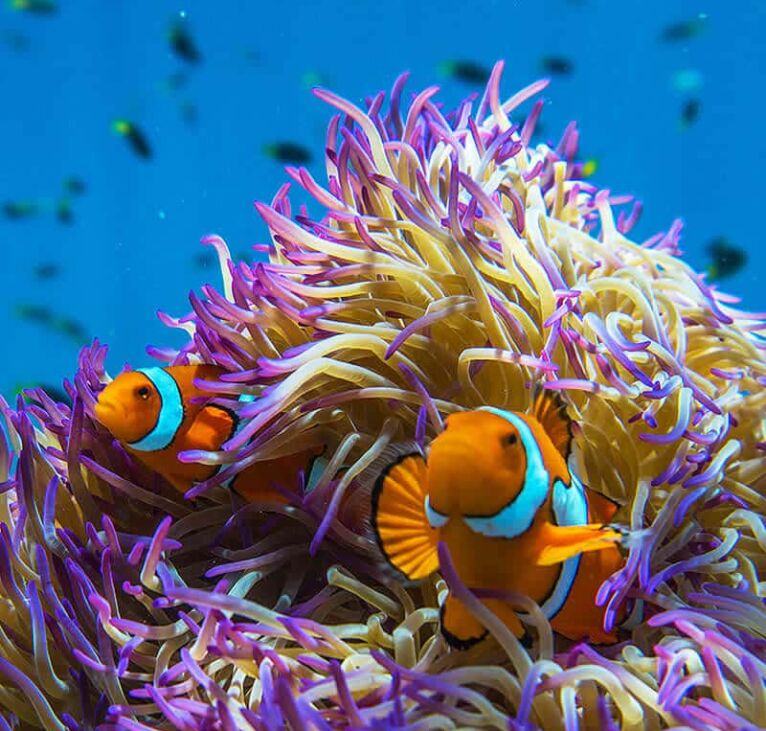
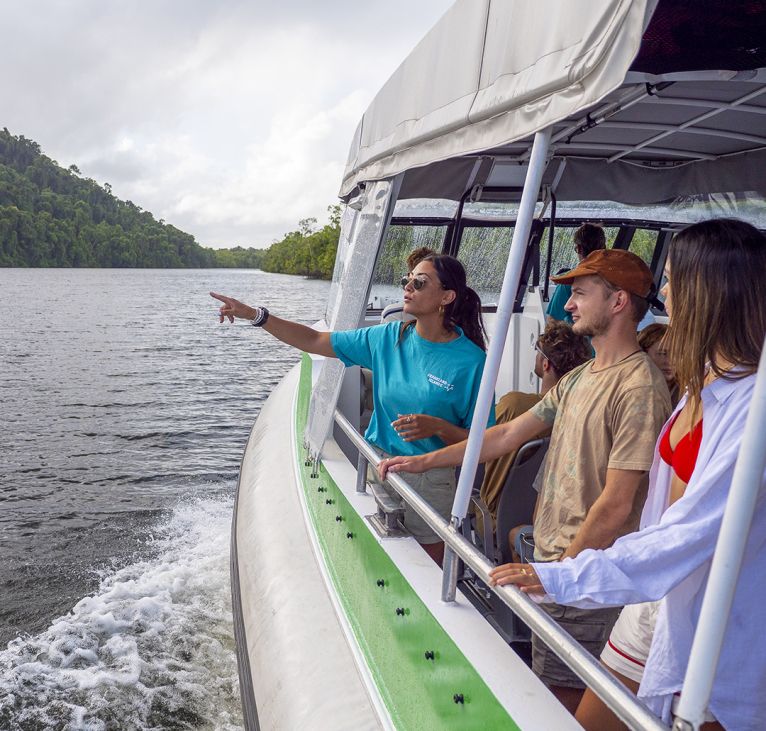
Make a difference during your trip to the Frankland Island
Minimise your environmental impacts:
- Utilise our group pick up where available to reach your tour starting point
- Follow your guide’s instructions and signage for correct use of bins and recycling
- Listen carefully to wildlife interaction and snorkelling guidelines
- Stay on walking tracks on the island
- Do not feed any wildlife
- Make sure you don’t lose any rubbish or belongings into the pristine environment
- Use reef-friendly sunscreen and insect repellent
- Bring a water bottle to refill
- Return your brochure so we can keep it in circulation longer
Get involved with conservation:
- Join Citizens of the Great Barrier Reef
- Listen to the guide’s informative talks, take part in the guided nature walk and learn about the reef and its threats
- Help with collection of monitoring data for reef health surveys when available
- Contribute to citizen science by recording reef health and sightings of animals through the Eye on the Reef app
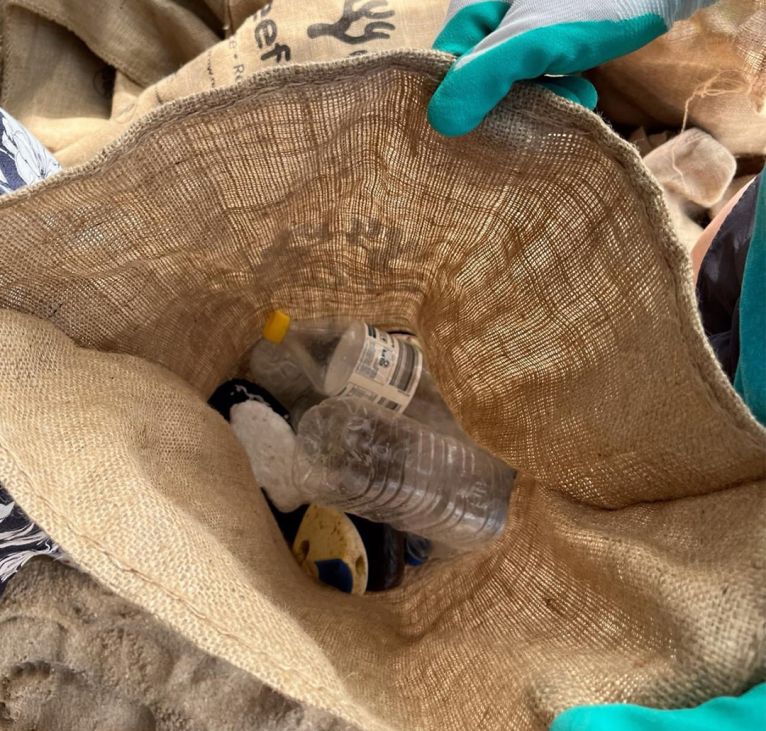
- Collect litter or debris during your island walk
Show cultural sensitivity for respectful visits:
- Learn about local customs and protocols
Before and after your trip
Being sustainable at home also helps protect the Great Barrier Reef because those small, consistent changes have bigger effects. One of the most impactful things anyone can do is to talk to others about sustainability and raise awareness. Here are some tips for everyday.
Reduce waste:
- Swap to reusable alternatives to single-use plastics
- Set up recycling and compost bins
- Choose items with no packaging or packaging that is recyclable
Change your cooking and eating habits:
- Grow your own veggies, salad and herbs
- Reduce food wastage by planning meals, eating up leftovers and storing food correctly
- Choose seasonal and locally sourced food
- Add more plant-based meals into your diet, these typically have lower associated emissions
Reduce your energy use:
- Avoid using unnecessary energy by turning things off at the wall or using smart outlets to avoid ‘standby’ power use
- Make sure living spaces are insulated and draught-free
- Keep doors closed when using air-conditioning or heating
Become a conscious consumer:
- Make sure you need something before purchasing
- Reuse and repurpose items to give a second life
- Pass on items to friends, family or a charity shop when you’re done with them
- Use ecolabels to guide purchasing decisions
- Shop and eat local
Change your cleaning products:
- Use eco-friendly cleaning products and toiletries that come in refillable options and are free from harmful contaminants
- Swap your synthetic cleaning products such as sponges, cloths and scrubbers for natural fibre ones to reduce microplastics going to the ocean
Change your laundry habits:
- Hang clothes out to dry instead of using a dryer
- Use a cold wash to reduce energy use and micro-fibres going to the ocean
- Wash full loads
Other small changes:
- Support local conservation and community initiatives
- Walk, cycle, scoot, use public transport or lower emissions vehicles
- Conserve water and collect rainwater for plants or cleaning where possible
- Pick up litter – carry a bag and collect rubbish to prevent it from going down the drain to the ocean
You can calculate your carbon footprint and learn more about how to reduce or offset it through this carbon positive Australia calculator.
Don’t forget to follow us on Facebook or Instagram for stunning pics, updates and special offers – and tag #franklandislands to be featured!
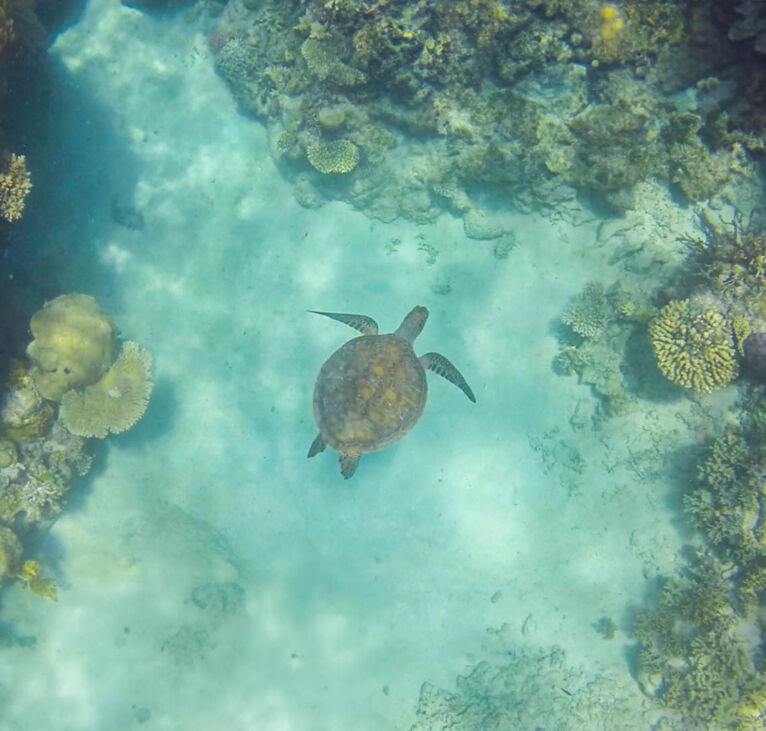
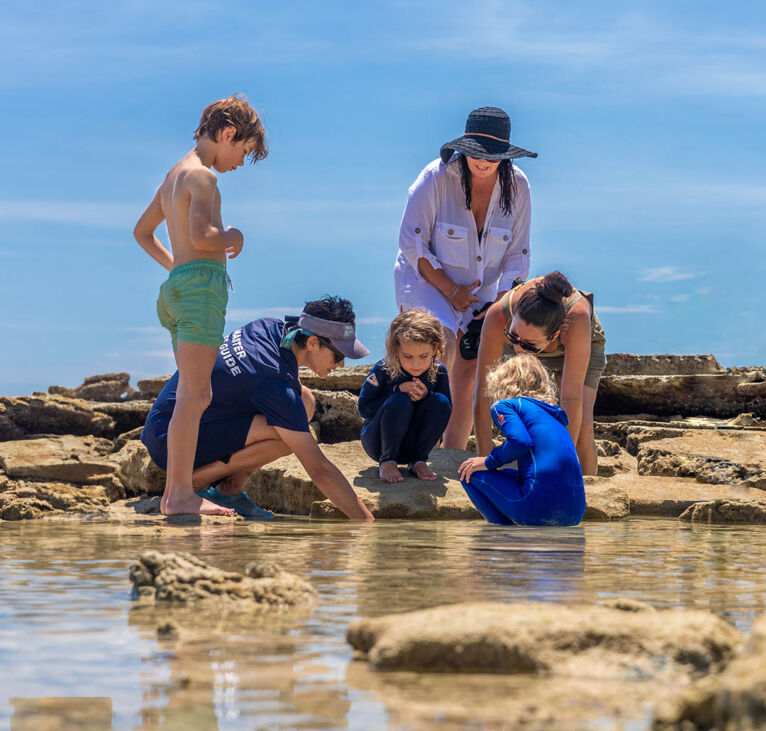
Very glad we chose the Frankland Islands for our trip to the reef. Enjoyable river cruise with crocodiles and friendly crew. The island is beautiful and the snorkelling was excellent with sharks, turtles, Moray eel and plenty of fish and coral just offshore
The whole day was great. Starting in the river and then going into the ocean gave a different perspective than other cruises. Saw a crocodile on the way back in the river. Highly recommend this company and cruise.
Amazing experience, beautiful island that is truly well maintained, the crew did such a great job in keeping us safe and making us feel comfortable and giving us the best experience ♥️🐢
A perfect day with a totally engaged and friendly staff. I can recommend this to everyone, so much better with the small group and more individual than all the other snorkeling tours mass tourism tours.
Thanks to the whole Frankland Islands team, we had a great day out. Everyone was so friendly. Max especially was great with the snorkel safari and the island walk; he was so knowledgeable and genuinely interested in what he was showing us. We would highly recommend this.
Read more about Frankland Islands
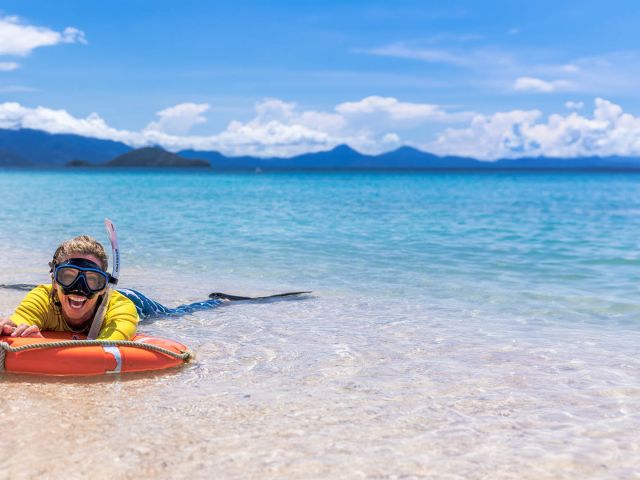
Discover Cairns’ top swimming beaches, from family-friendly spots with stinger nets to secluded gems like the Frankland Islands. This guide showcases the top places to swim and enjoy Far North Queensland’s tropical beauty.
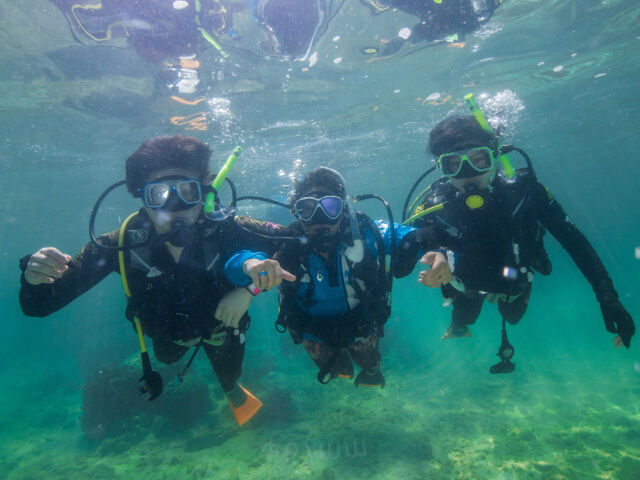
Are you ready to take your first breaths underwater? The crew of Frankland Islands Reef Cruises are here to make your Introductory Dive dreams happen!
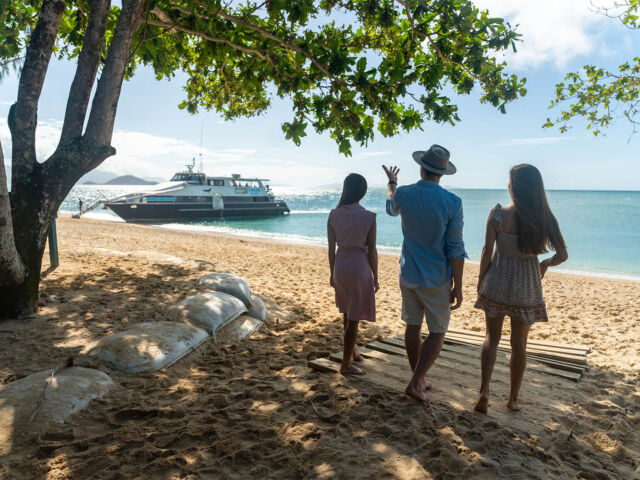
If you want to get off the ‘tourist trail’ and enjoy a unique Great Barrier Reef island experience, consider visiting the Frankland Islands!